Accidents Happen—Let Us Help
An eye injury or sudden change in your vision can be alarming. Because your eyesight is so important, prompt assessment and treatment are essential.
If you are a current patient of McLeod Eye Associates and are experiencing an eye emergency, please call our office as soon as possible. Our team will assess your symptoms, determine the urgency of your situation, and schedule an appointment if appropriate.
Please note that emergency eye care is available for established patients only, and appointments must be arranged by phone. We are unable to accommodate walk-in emergency visits or online booking requests for urgent eye care.
If you experience a severe eye injury, significant vision loss, or require immediate medical attention outside of our office hours, please proceed to your nearest hospital emergency department.
Book AppointmentTypes of Eye Emergencies
Common eye emergencies we can treat include:
- Corneal abrasions (scratches on the eye’s surface)
- Foreign objects stuck in the eye
- Chemical splashes or burns
- Infections like conjunctivitis (pink eye)
- Flashes, floaters, or retinal detachment
- Eye diseases
Symptoms That Might Mean an Eye Emergency
While most eye emergencies involve noticeable symptoms or trauma, other eye emergencies are not as obvious. Any sudden changes to your vision should be considered an eye care emergency.
Sudden onset of any of the following symptoms may also indicate an emergency:
- Burning or stinging
- Pupils that differ in size
- Bulging eyes
- Severe eye pain
- Double vision
- Redness or severe itching
- Bruising or bleeding
- Sudden headache
- Discharge from the eye
- Eyes not moving together
Emergency Do’s & Don’ts
Eye emergencies can happen anywhere, whether you're at work, home, athletic events, or just hanging out. But you can make a difference by acting quickly and appropriately. Following first aid steps and contacting emergency care right away can lead to a positive outcome.
If you or a loved one experience an eye emergency, here are some do’s and don’ts to guide you:
Do’s
- Do flush your eye with cold water in the event of chemical contact.
- Do clean your hands before touching your eye.
- Do lightly cover the eye without applying pressure.
- Do seek immediate medical attention.
Don’ts
- Don’t use tools anywhere near the eye area.
- Don’t rub the eye or apply pressure of any kind.
- Don’t try to remove any large foreign objects.
- Don’t apply any medications, drops, or ointments.
- Don’t remove contact lenses (except in the case of a chemical splash).



Our Brands













- Brands
- Sunglasses
- Frames & Lenses
-
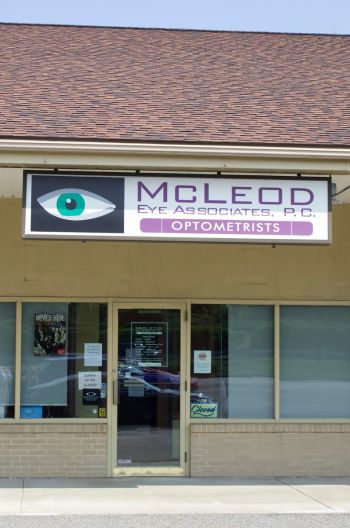
McLeod Eye Associates
- 567 Southbridge Street, Suite 12
- Auburn, MA 01501
-
P: 508-832-3937
F: 508-832-3401
[email protected]